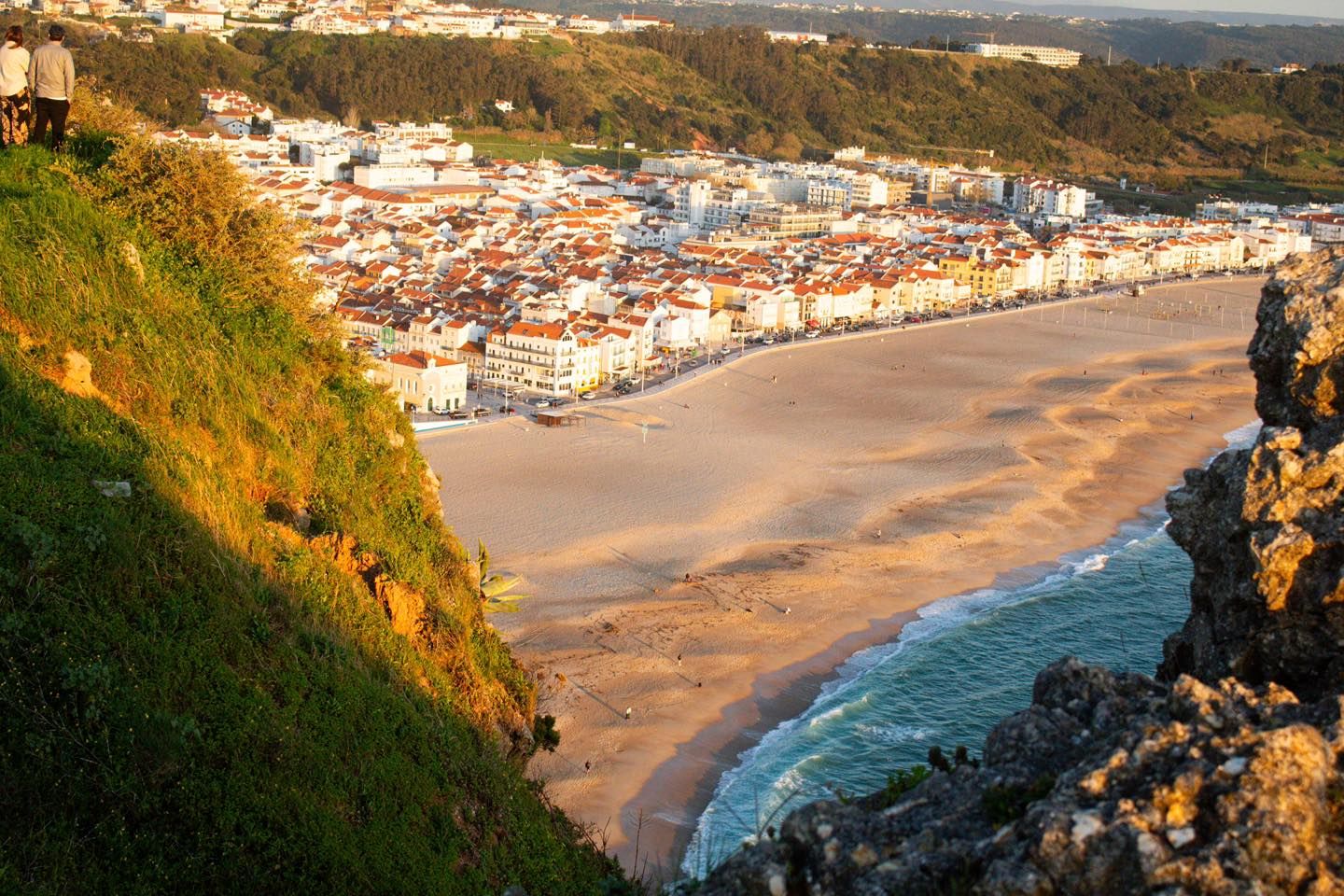
A photograph is light reaching a sensor. To control how much light gets in, every camera has three settings: aperture, shutter speed and ISO. Together they form what is called the exposure triangle.
All three do the same thing, add or remove light, but each one has a different side effect on the image. Understanding that side effect is what separates a correct photo from a considered one.
1. Aperture: how much light gets in and what stays sharp
Aperture is the size of the opening in the lens diaphragm. It is written with the letter f and a number: f/2.8, f/5.6, f/11.
- Low number (f/1.8, f/2.8): wide open. A lot of light gets in and the background goes soft.
- High number (f/11, f/16): closed down. Little light gets in and almost everything is sharp, front to back.
A smaller number meaning more light confuses everyone at first. Think of it as a fraction: f/2 is a bigger opening than f/16.
Side effect: depth of field. This is the band of the image that looks sharp. A wide aperture makes it shallow, which separates the subject from the background. A narrow aperture makes it deep, which suits landscapes and streets where you want everything defined.
2. Shutter speed: how long the light comes in
This is the time the shutter stays open, measured in seconds or fractions: 1/1000, 1/125, 1/30, 2".
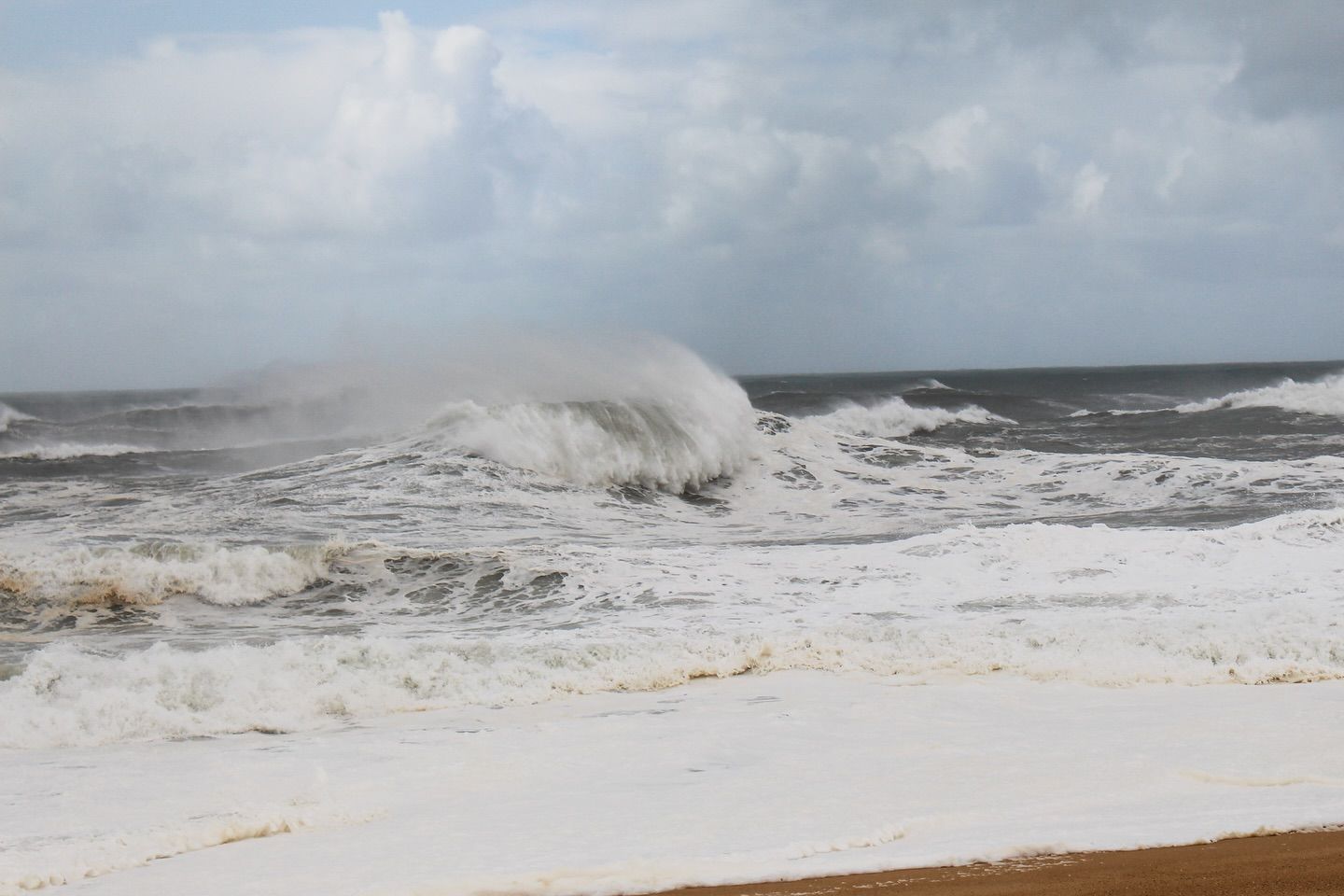
- Fast (1/1000 or faster): freezes motion. A breaking wave, a surfer, a bird in flight.
- Slow (1/30 or slower): anything that moves turns into a blur. Good for silky water or car light trails at night, but on a tripod.
Side effect: motion. Both the subject's and yours. Handheld, a practical guide is not to go slower than 1 over the focal length: with a 50 mm lens, no slower than 1/50. Stabilization in the camera or lens lets you go a bit slower, but it does not stop a moving subject.
3. ISO: how much the signal is amplified
ISO tells you how much the light captured by the sensor is amplified. ISO 100 is the base sensitivity of many cameras; ISO 3200 amplifies it 32 times.
- Low ISO (100–400): clean image. For sunny days or a tripod.
- High ISO (1600 and up): lets you shoot in low light, at the cost of grain.
Side effect: noise. The higher the ISO, the more grain and the less detail in the shadows. How much ISO a camera can handle depends on its sensor: full-frame cameras usually cope better than small-sensor cameras or phones. The general rule is to use the lowest ISO the situation allows.
How they trade off: stops
Each of the three settings moves in stops. One stop doubles or halves the light.
| Setting | Full-stop values (from more light to less light) |
|---|---|
| Aperture | f/1.4 · f/2 · f/2.8 · f/4 · f/5.6 · f/8 · f/11 · f/16 |
| Shutter | 1/30 · 1/60 · 1/125 · 1/250 · 1/500 · 1/1000 · 1/2000 |
| ISO | 3200 · 1600 · 800 · 400 · 200 · 100 |
The key is that they are interchangeable. Close the aperture one stop and you lose half the light; you get it back by slowing the shutter one stop or raising the ISO one stop. These three combinations give the same exposure:
| Aperture | Shutter | ISO | What changes in the photo |
|---|---|---|---|
| f/8 | 1/250 | 100 | Starting point |
| f/5.6 | 1/500 | 100 | Softer background, motion more frozen |
| f/11 | 1/250 | 200 | More depth of field, slightly more noise |
The amount of light is the same. What changes is how the image looks. That is the photographer's decision.
In what order to decide
- Ask yourself what you want to show. If the background matters (soft or sharp), aperture comes first. If motion matters (frozen or blurred), shutter speed comes first.
- Set that one and choose the other so the exposure works.
- Use ISO as the last resort: as low as possible, raised only when aperture and shutter leave you no room.
Starting points for common situations
| Situation | Priority | Suggested settings |
|---|---|---|
| Street portrait | Soft background | f/2.8–f/4 · 1/250 or faster · auto ISO |
| Landscape or street by day | Everything sharp | f/8–f/11 · whatever shutter results · ISO 100 |
| Waves, surf or sport | Freeze | 1/1000–1/2000 · wide aperture · ISO as needed |
| Sunset | Keep the sky from blowing out | f/8 · ISO 100 · meter on the sky |
| City at night | Lights and detail | Tripod · f/8 · ISO 100 · several seconds |
These are starting points, not rules. Every scene has its own light, and the camera's histogram tells you whether you got close.
A reference without a light meter: the sunny 16 rule
On a bright sunny day, at f/16, the correct shutter speed is roughly 1 over the ISO. At ISO 100, 1/100 (or 1/125, the nearest value). It is a good way to understand how stops work and to check whether your camera is metering correctly.
Practice exercise
Pick a scene with a nearby subject and a distant background: a plant, a person, a post. Take the same photo three times in aperture priority mode, at f/4, f/8 and f/16. Then compare how soft the background gets and look at which shutter speed the camera chose each time. In ten minutes you will understand the triangle better than from any manual.
Read next: Camera modes: when to use A, S, M and P.